Formula 1 Baku City Circuit
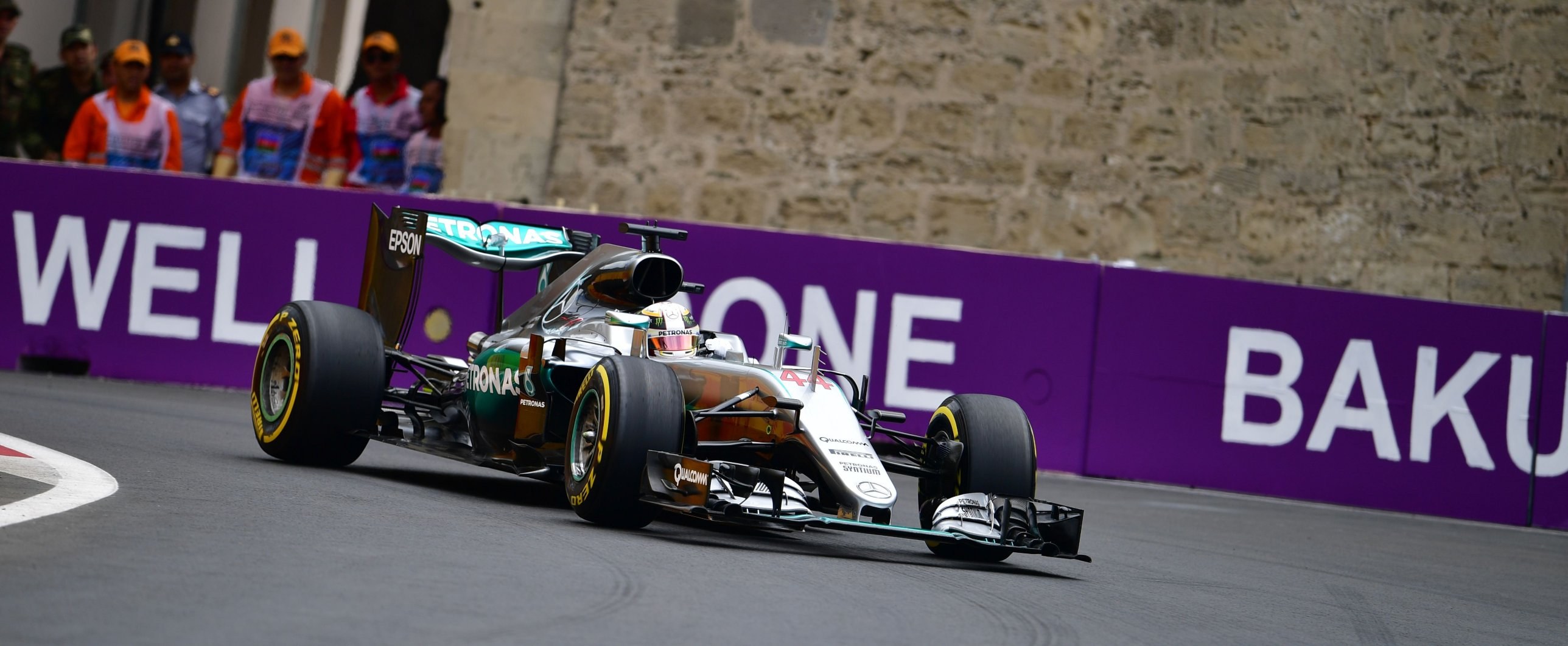
A Formula 1 race that had never existed, nine months away. My job was to make it look like it had always belonged to Baku.
Nine months, and nothing on the shelf
In September 2015, Baku was nine months away from hosting a Formula 1 race that had never existed. There was no identity, no wayfinding, no campaign and no ticketing, and no time to build any of it the slow way.
Baku City Circuit hired me directly to direct the brand programme. I ran the tenders, briefed the specialist agencies from Portugal and Spain and held their work together as one system.
Global sport, local place
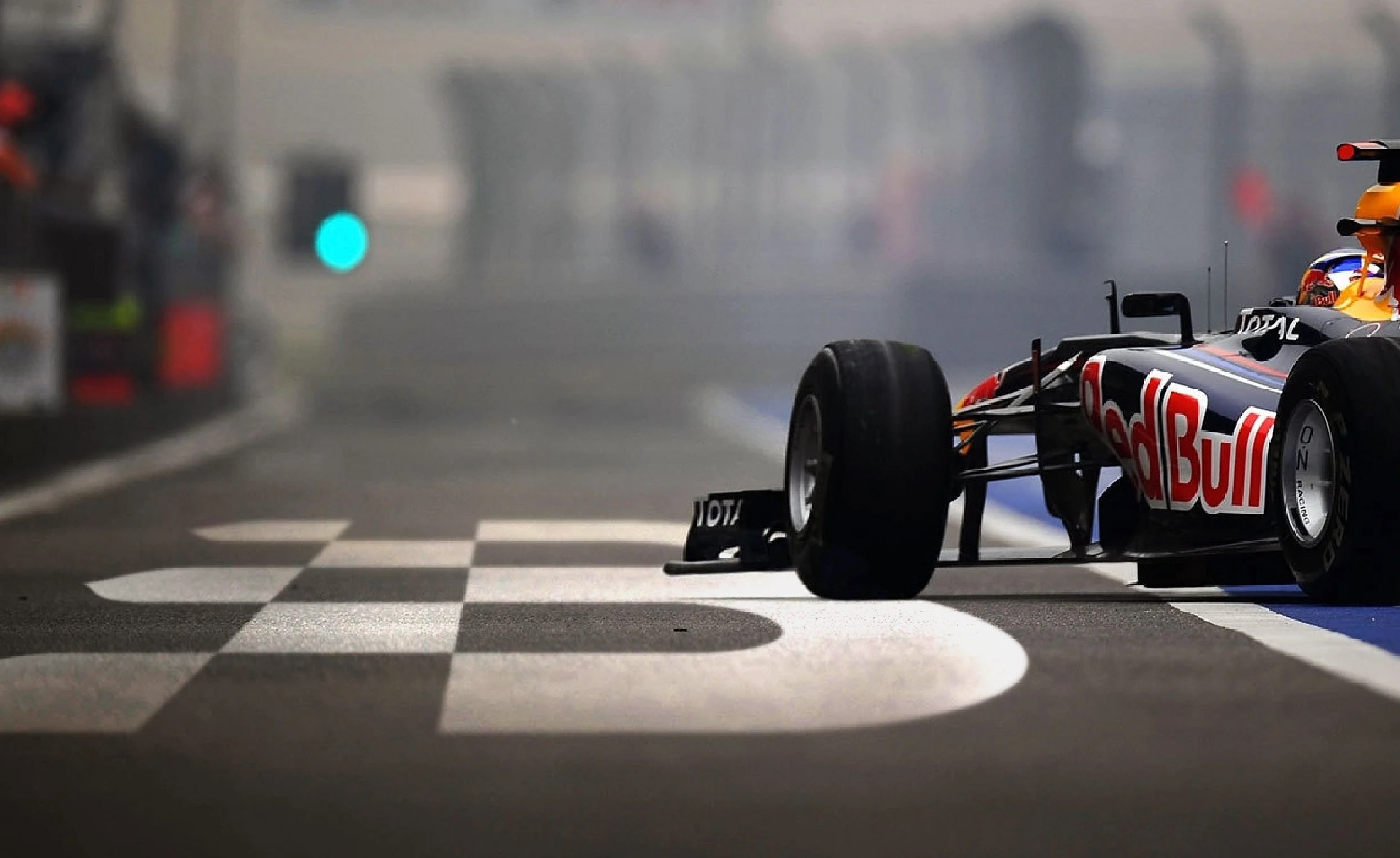
A Grand Prix has to feel part of the global sport, fast and legible anywhere, while a first ever national event has to feel unmistakably of its place.
My job was to keep both true at once, through other people’s hands.
The racing grid meets the carpet
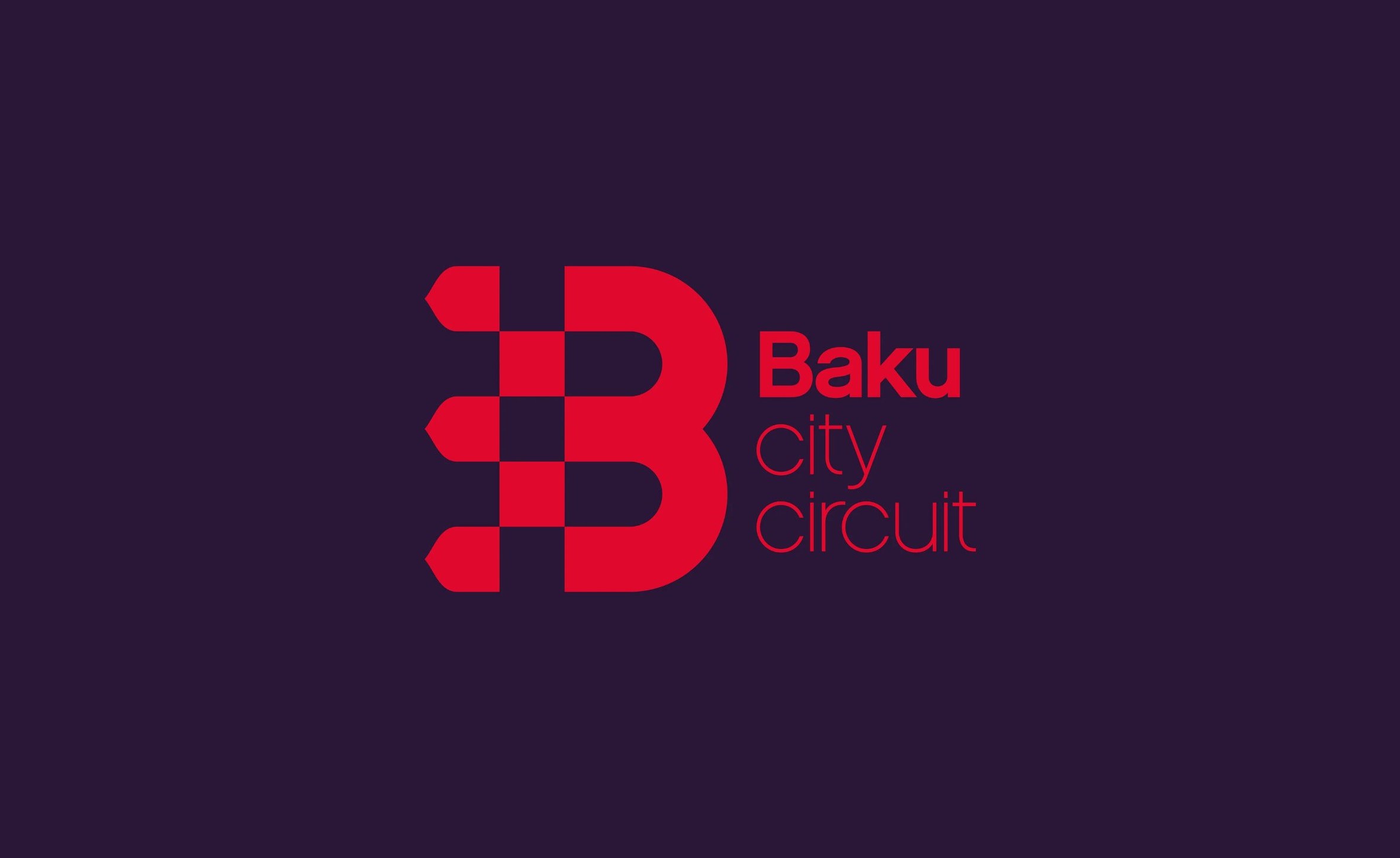
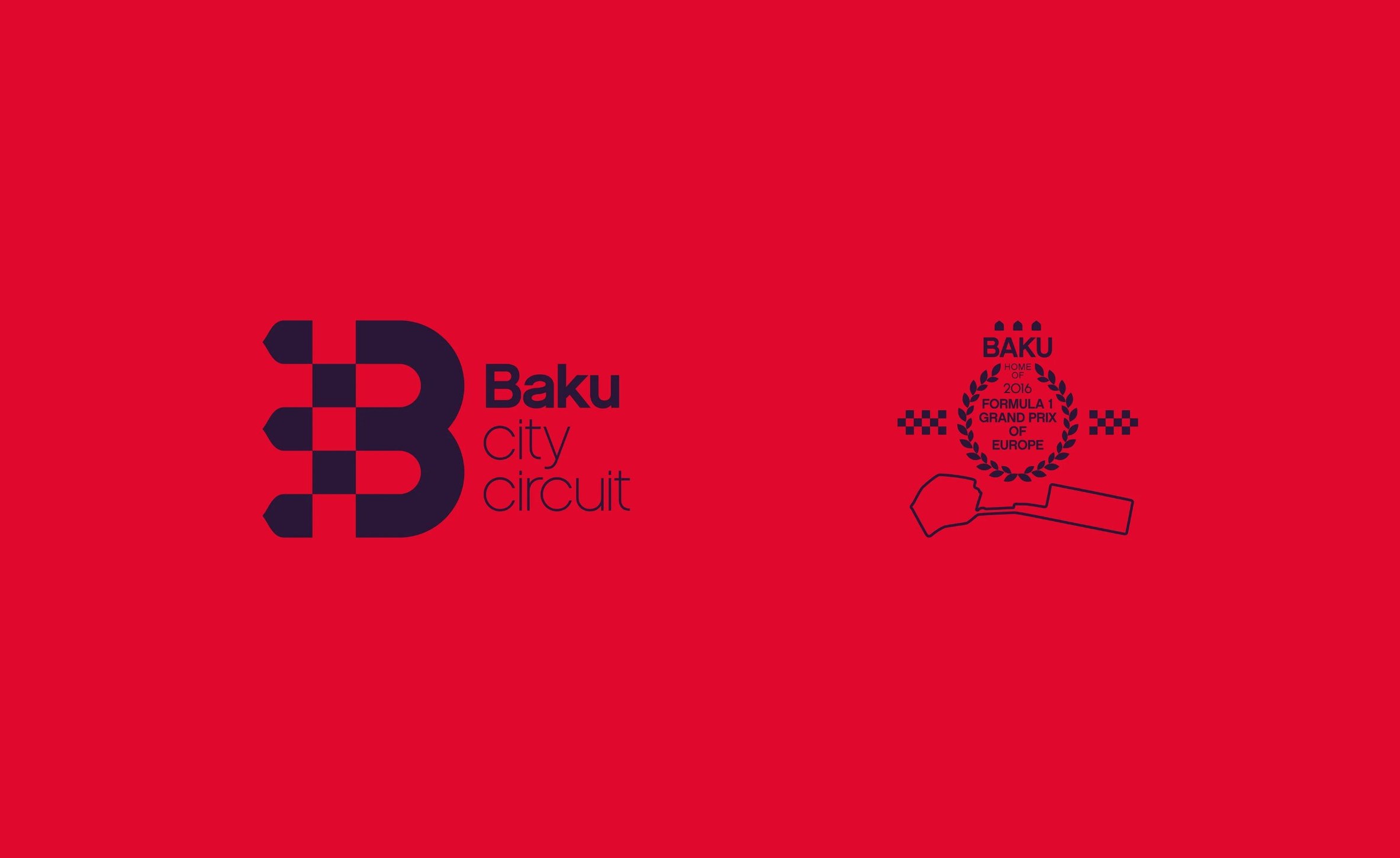
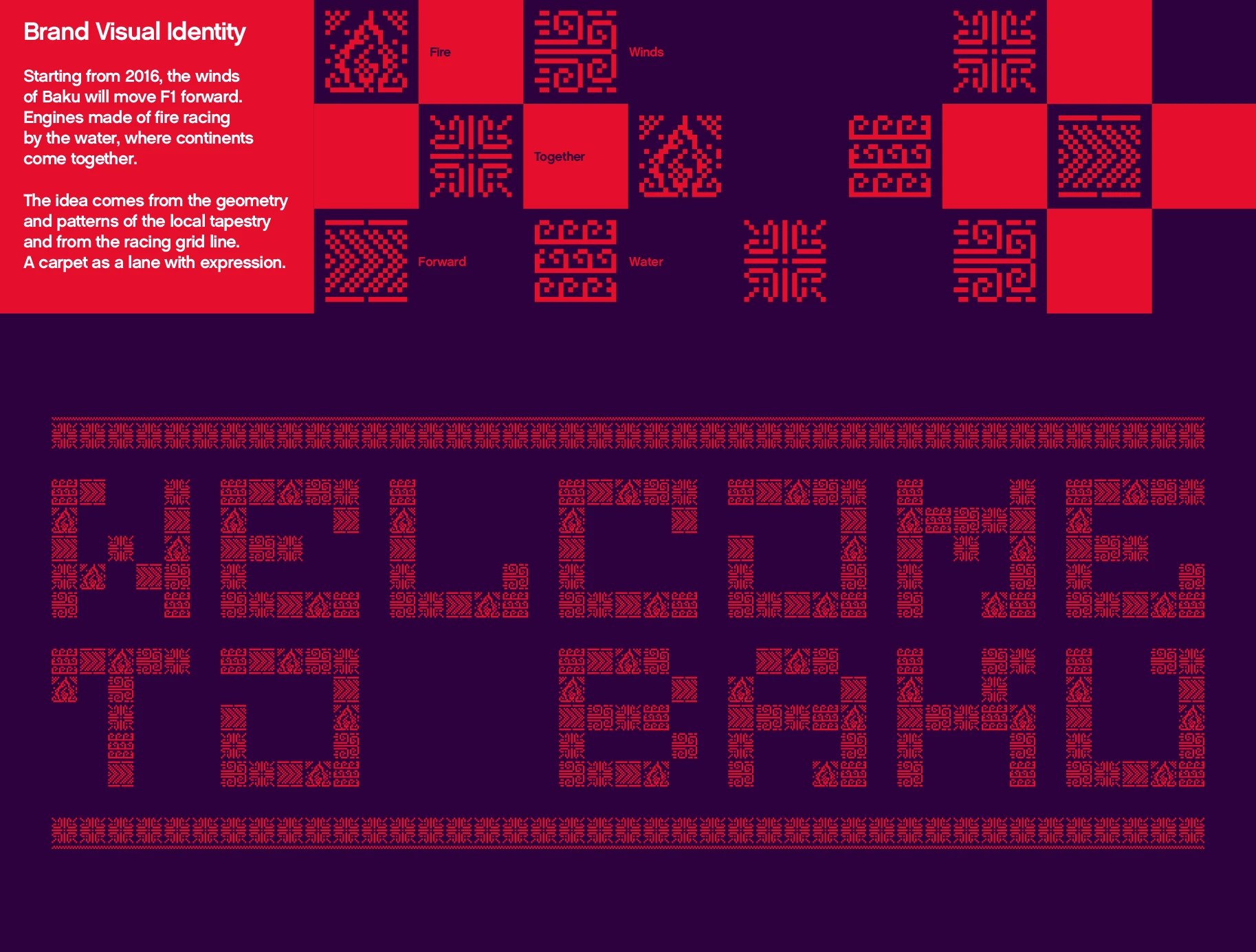
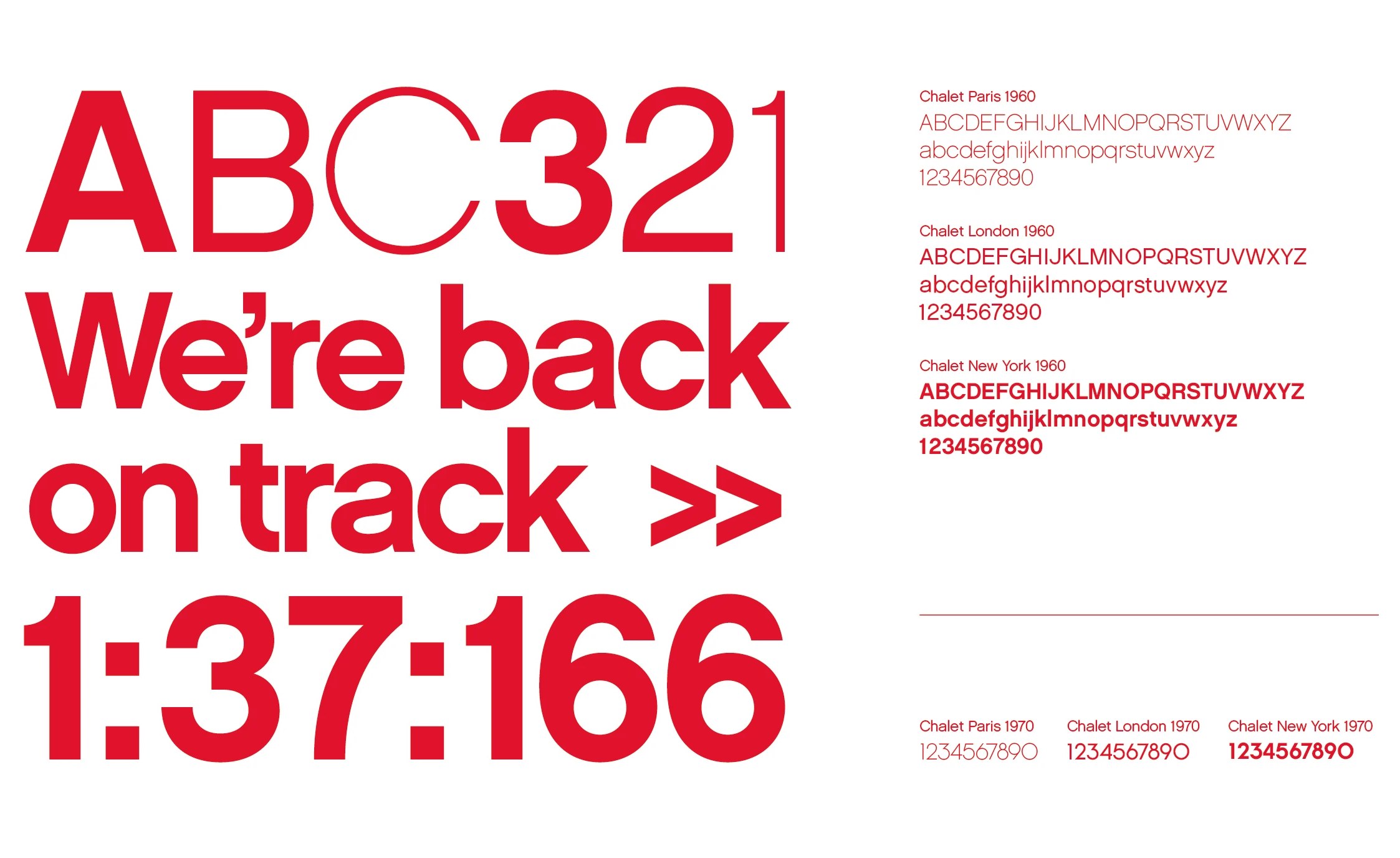
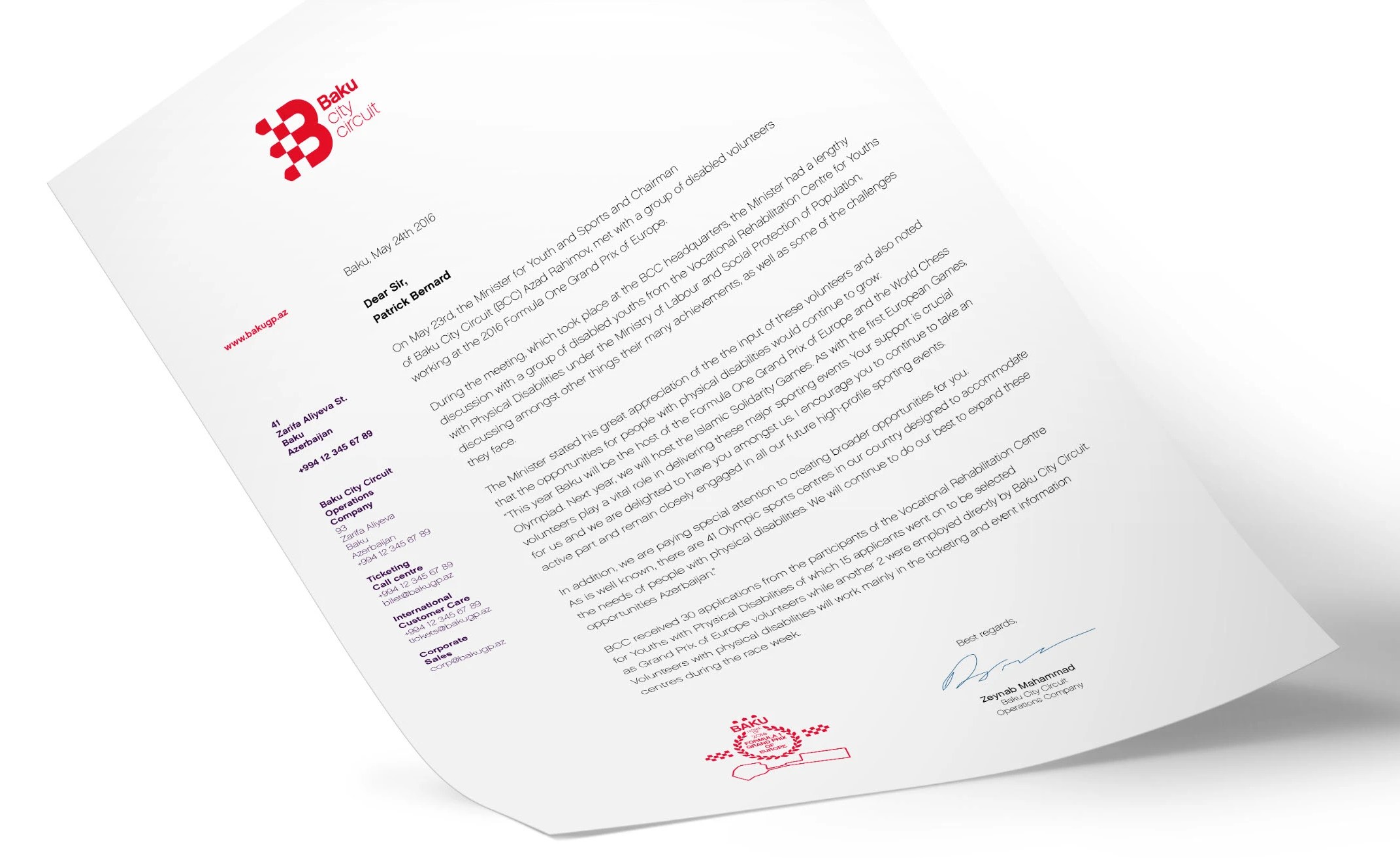
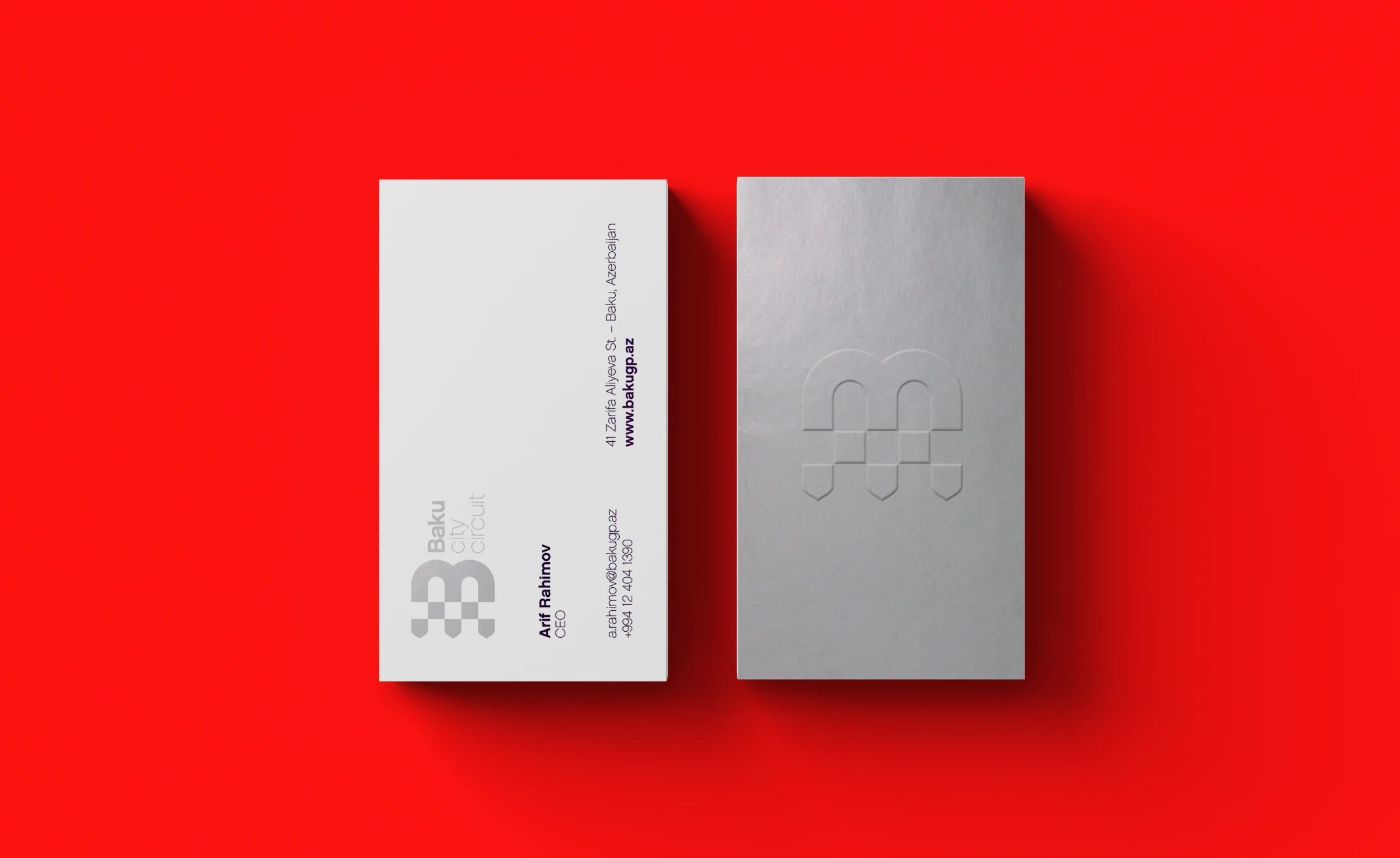
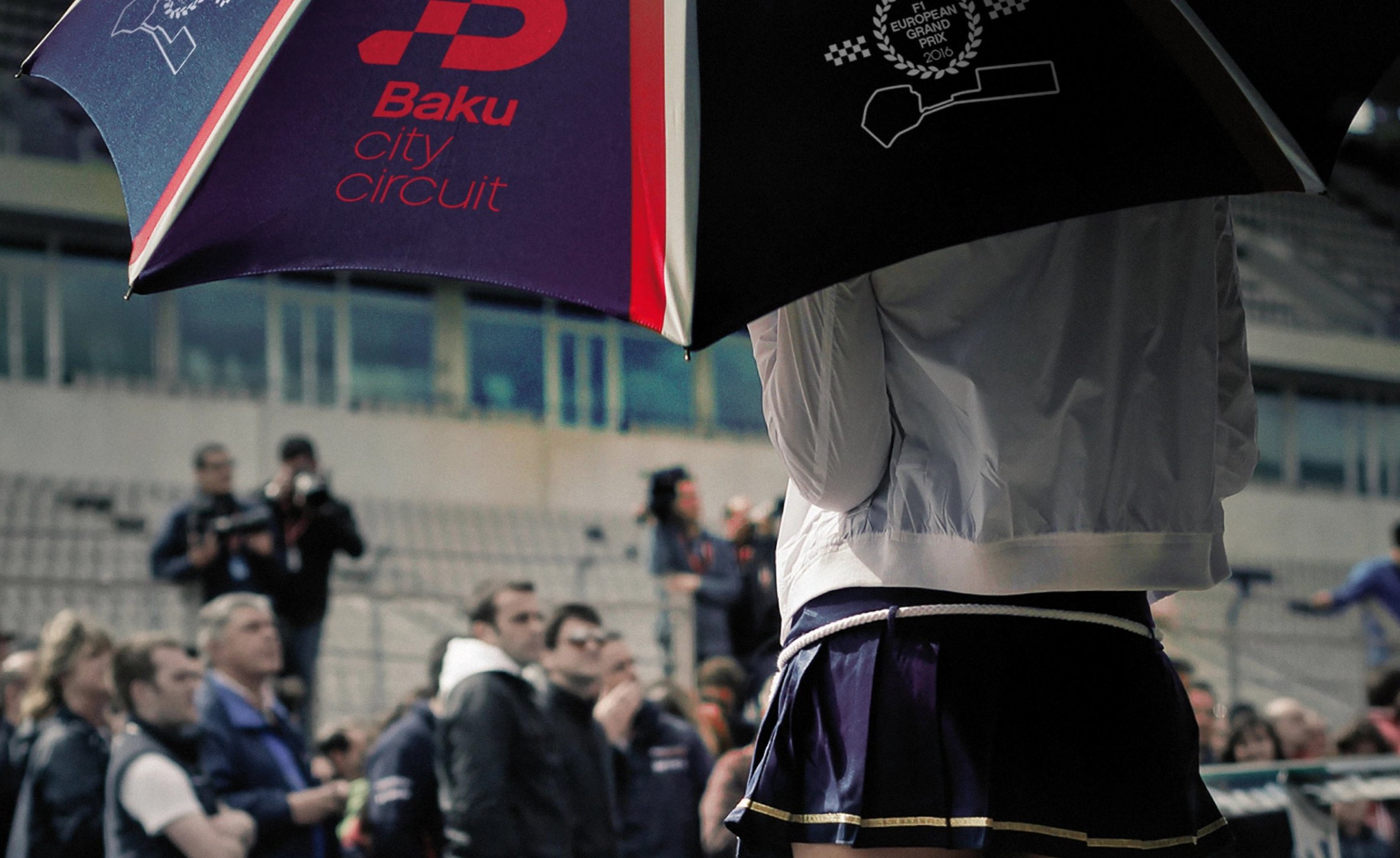
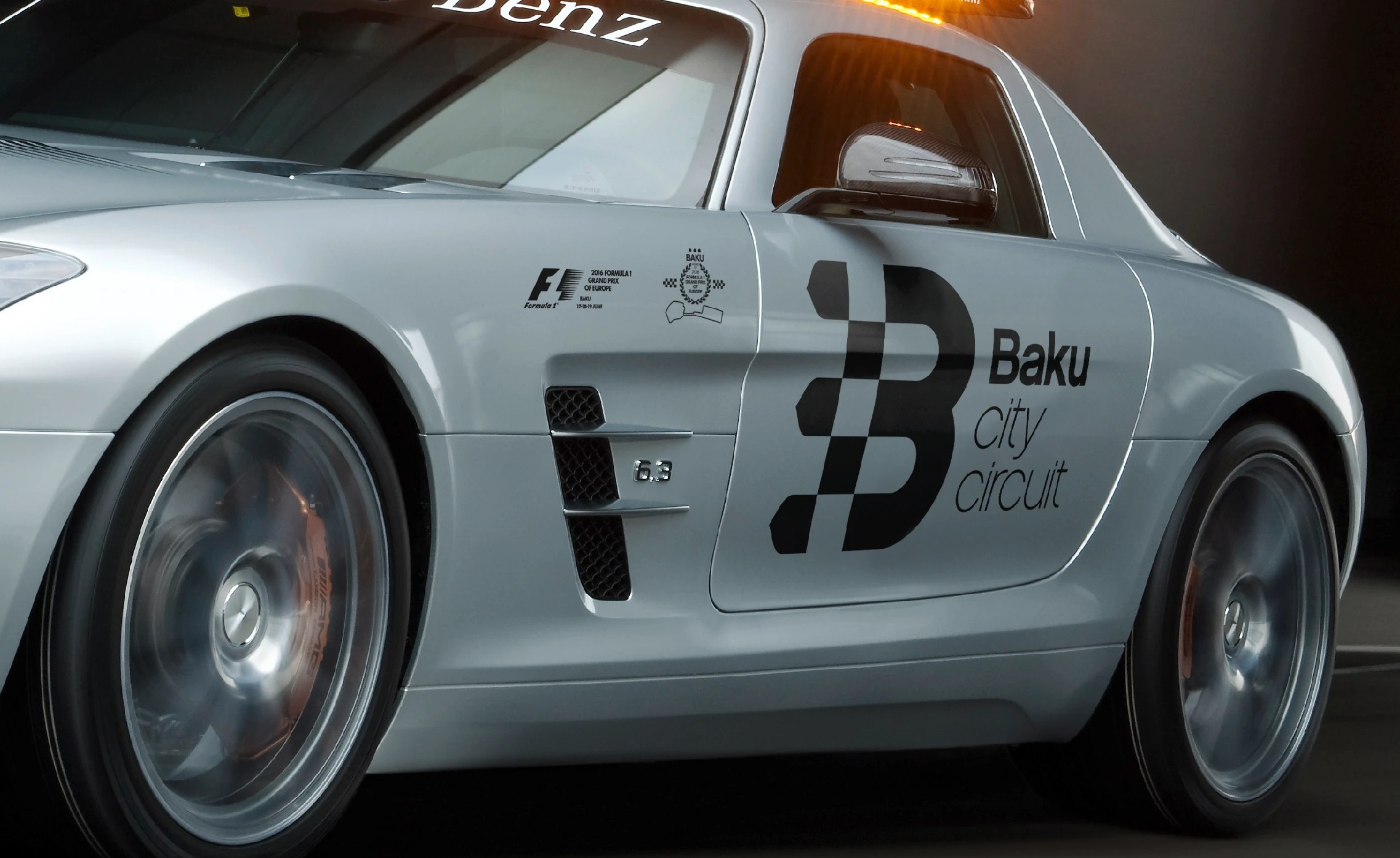
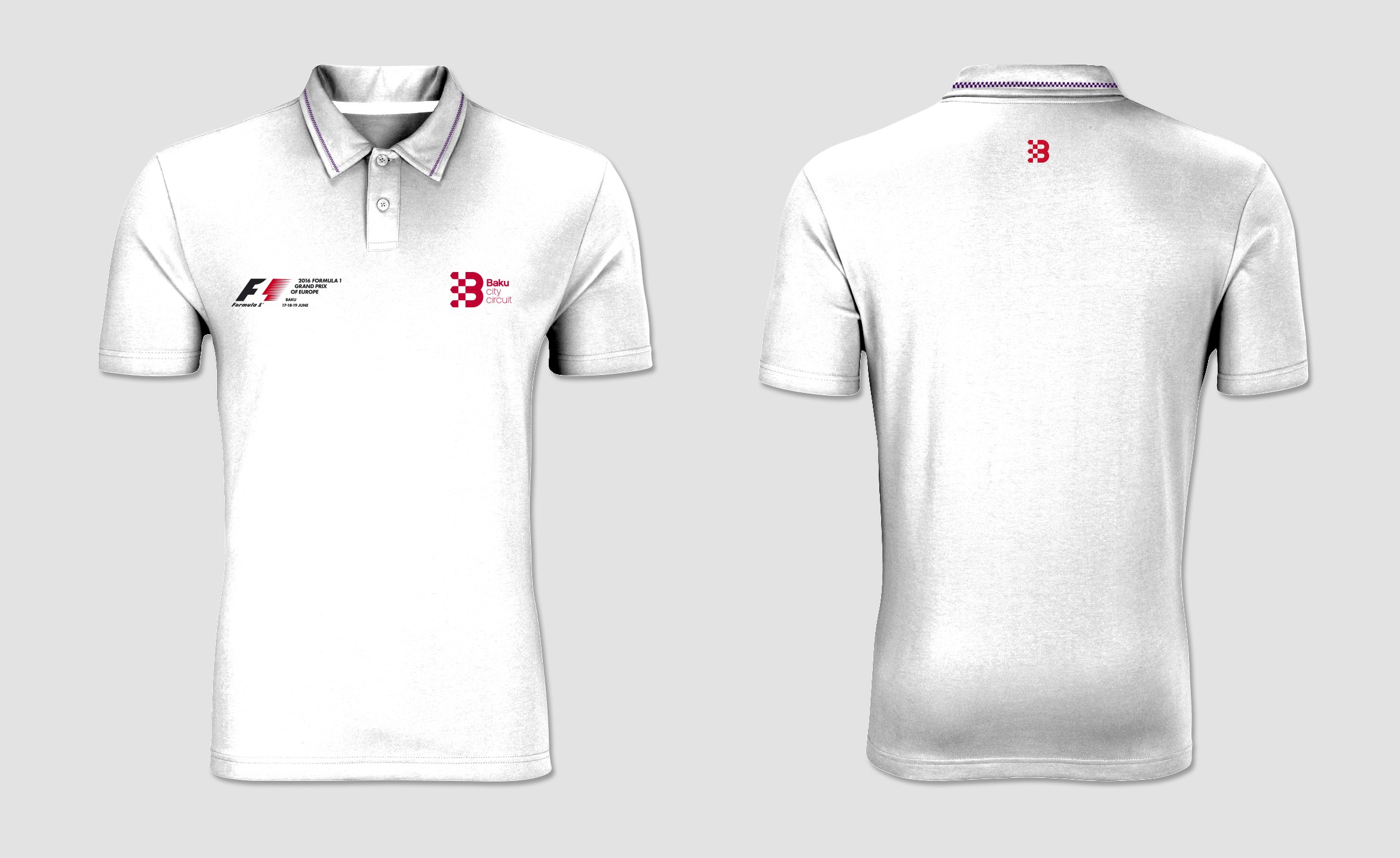
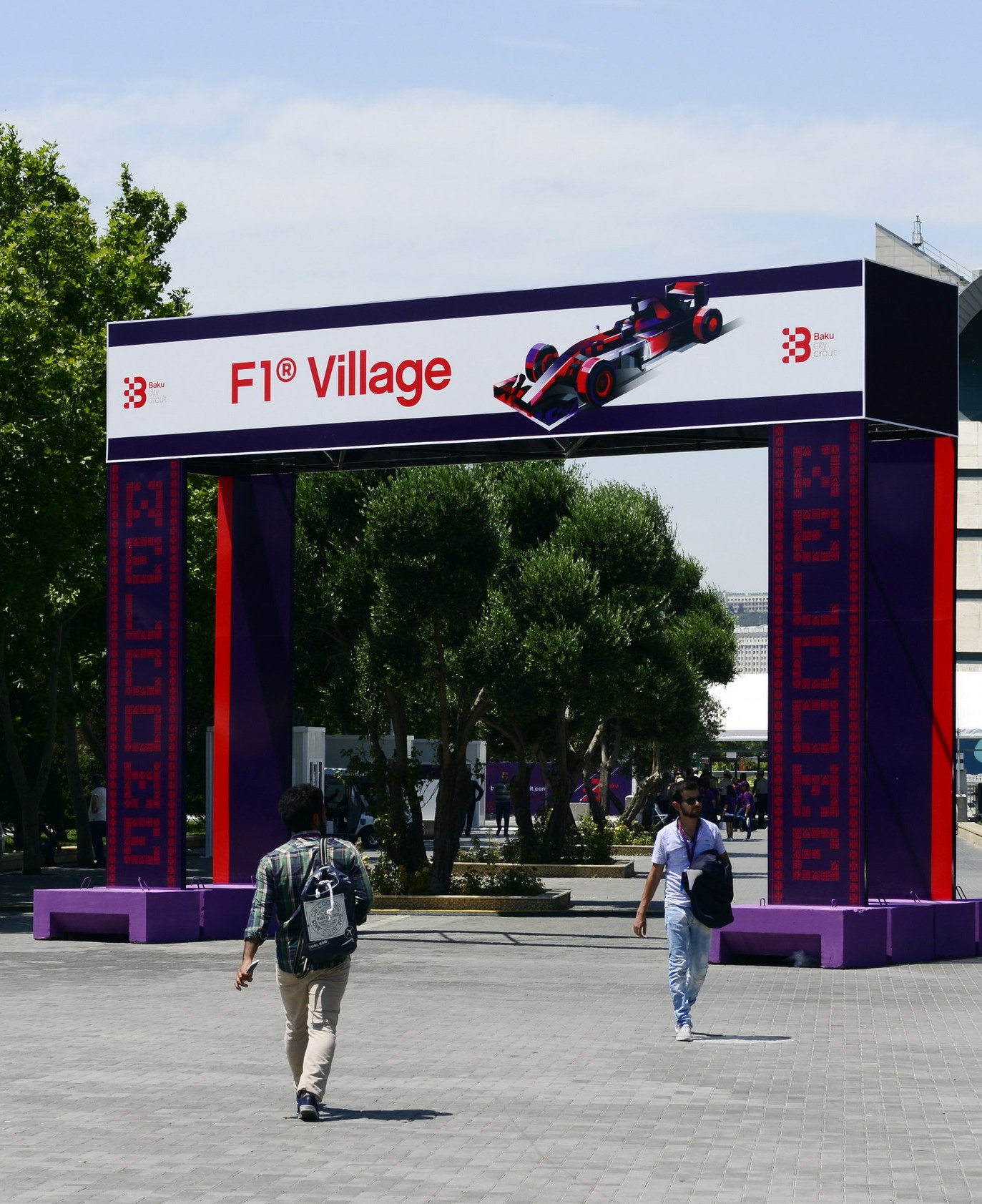
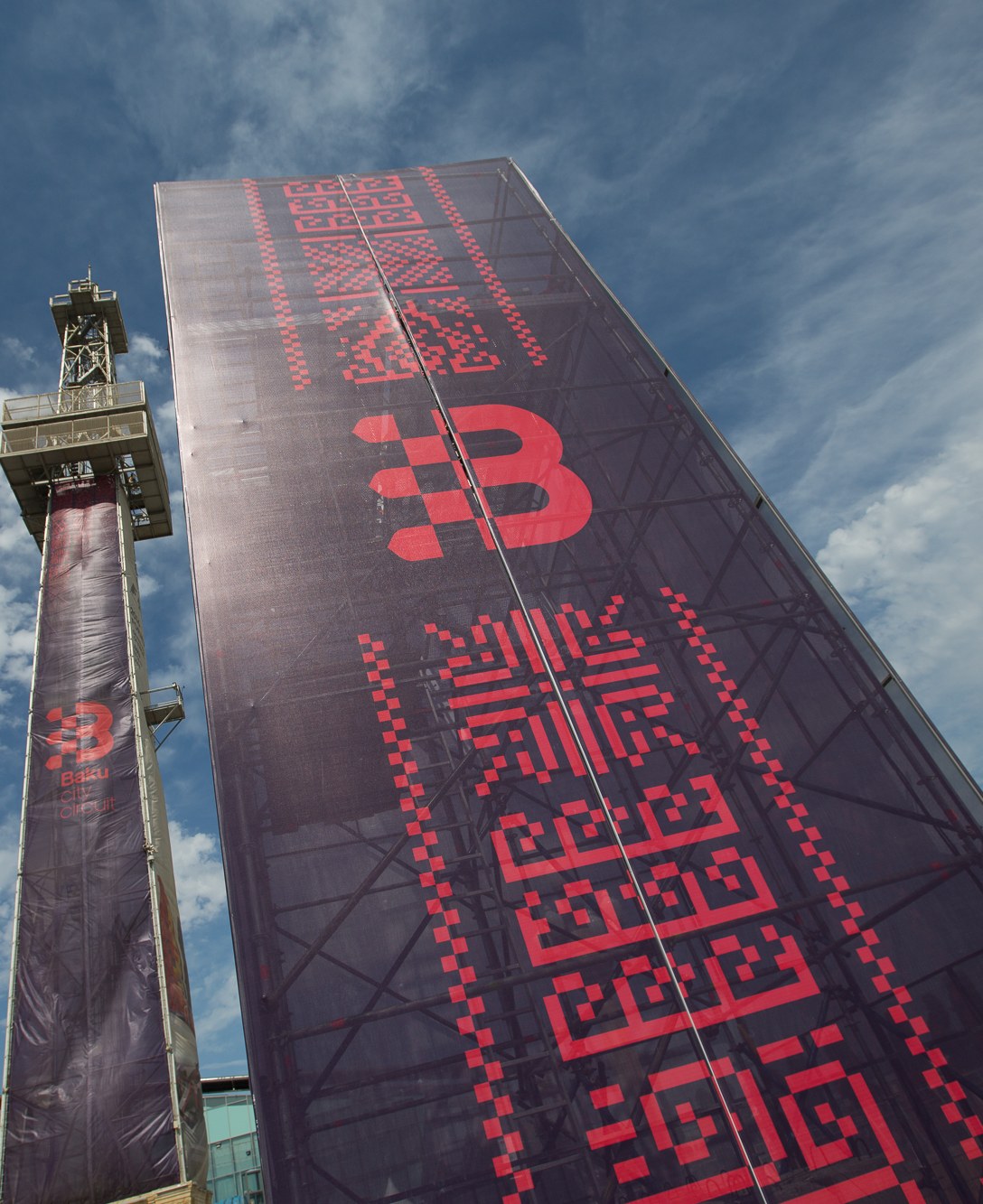
The agency appointed through tender joined the start line with a pixel pattern drawn from local carpets, and a checkered B carries the grid. Chalet, with its retro numerals, keeps the type in classic motorsport territory.
My part was the brief, the decisions and making sure the system held on every surface.
The city had to know a race was coming
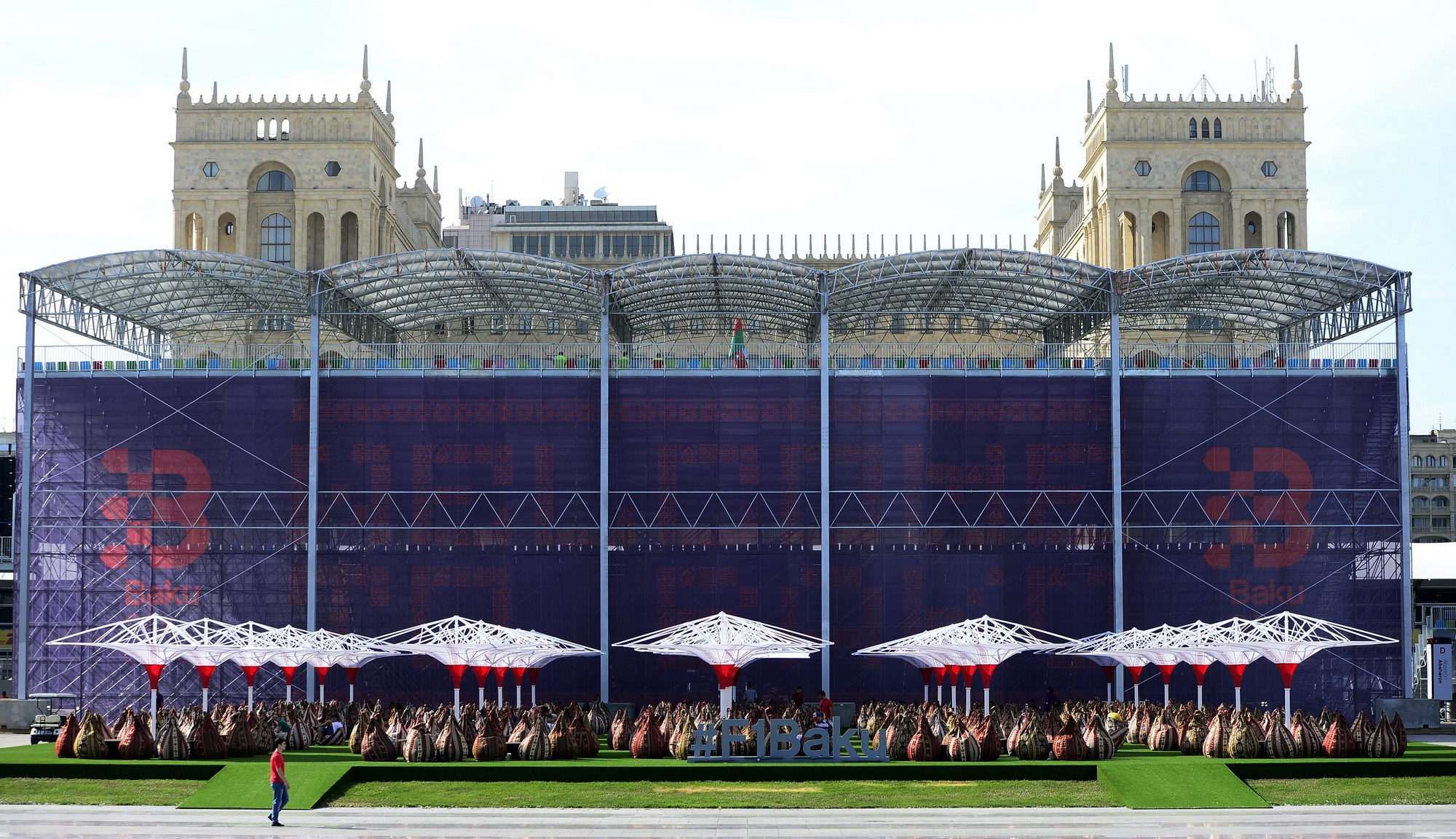
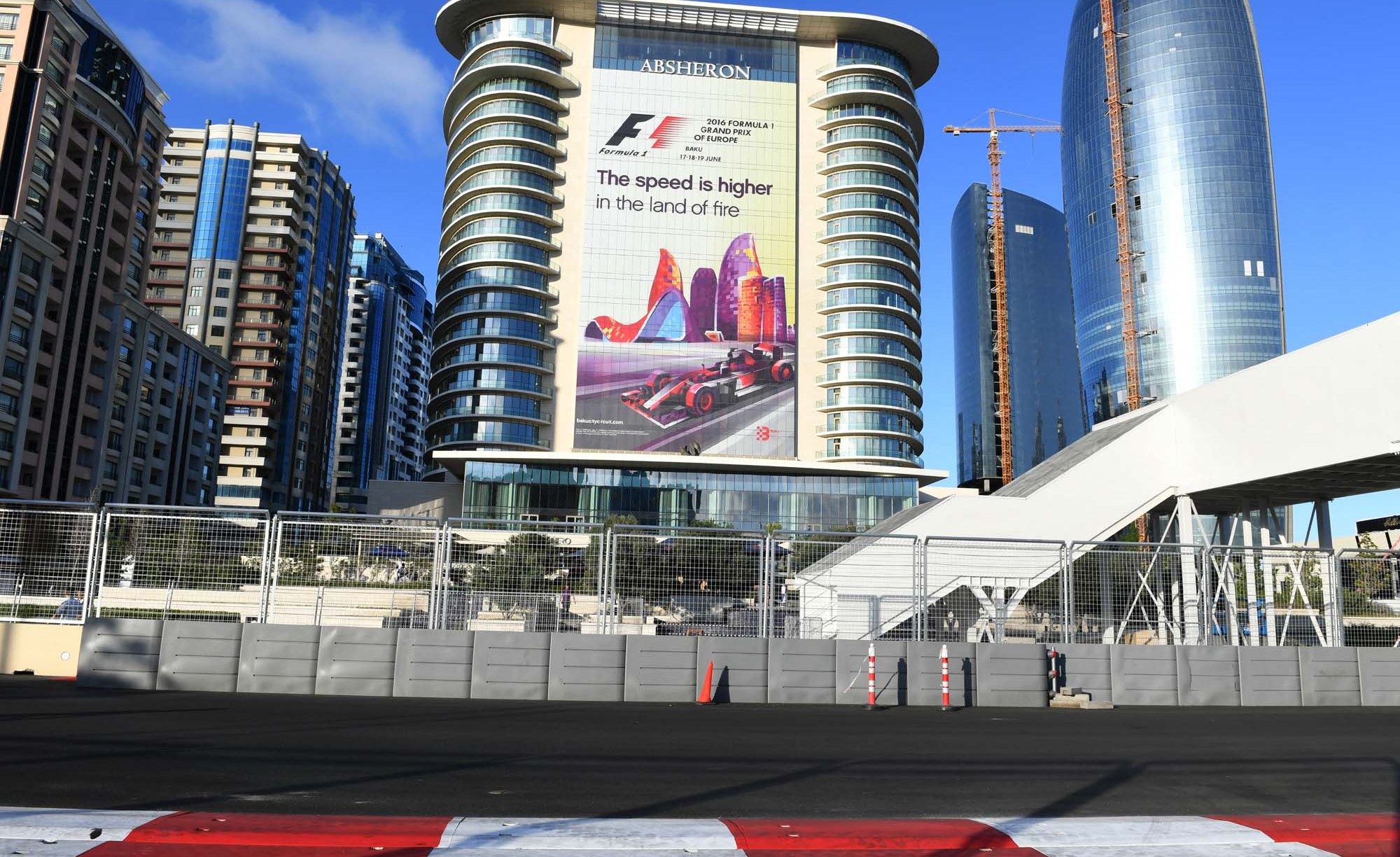
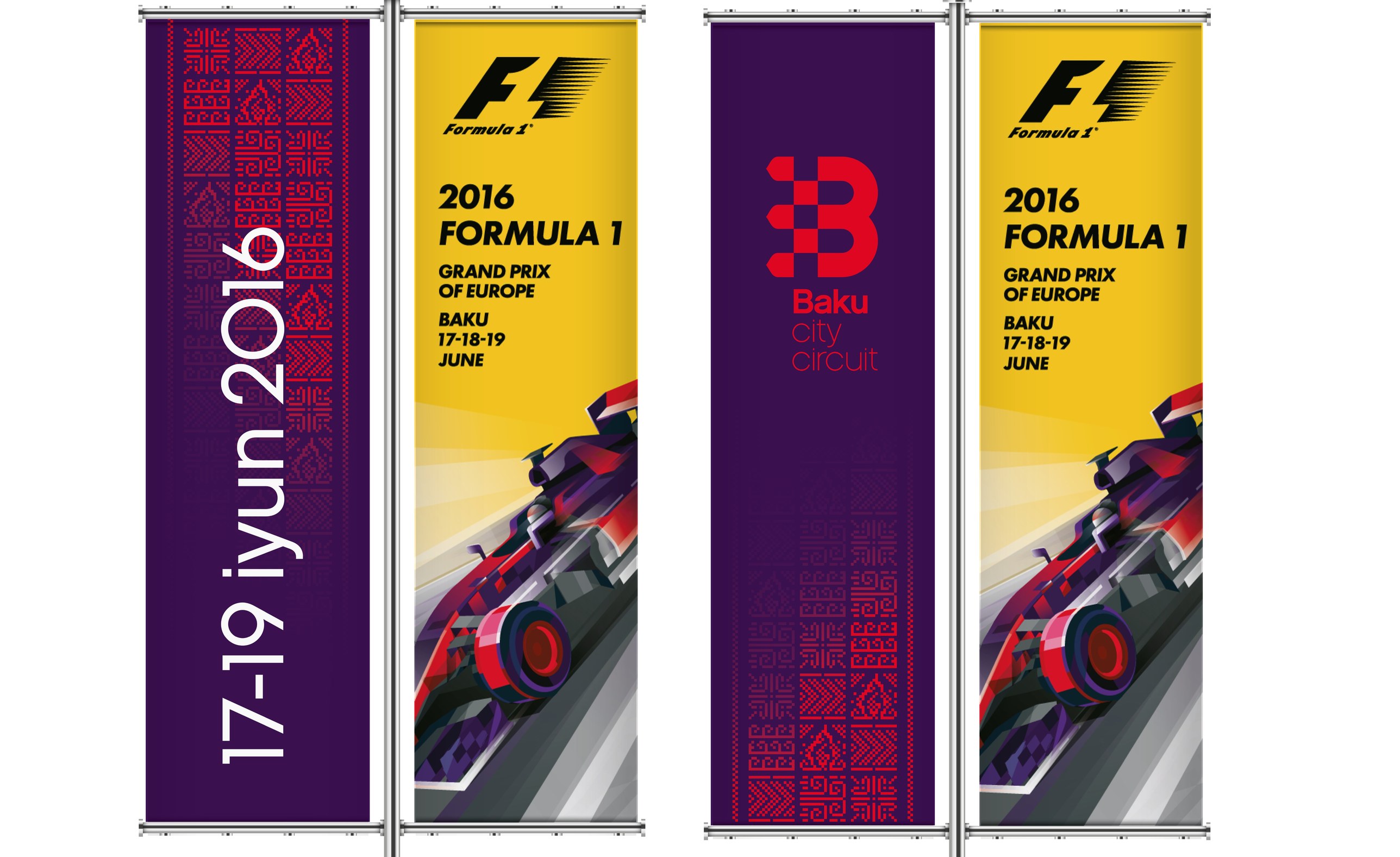
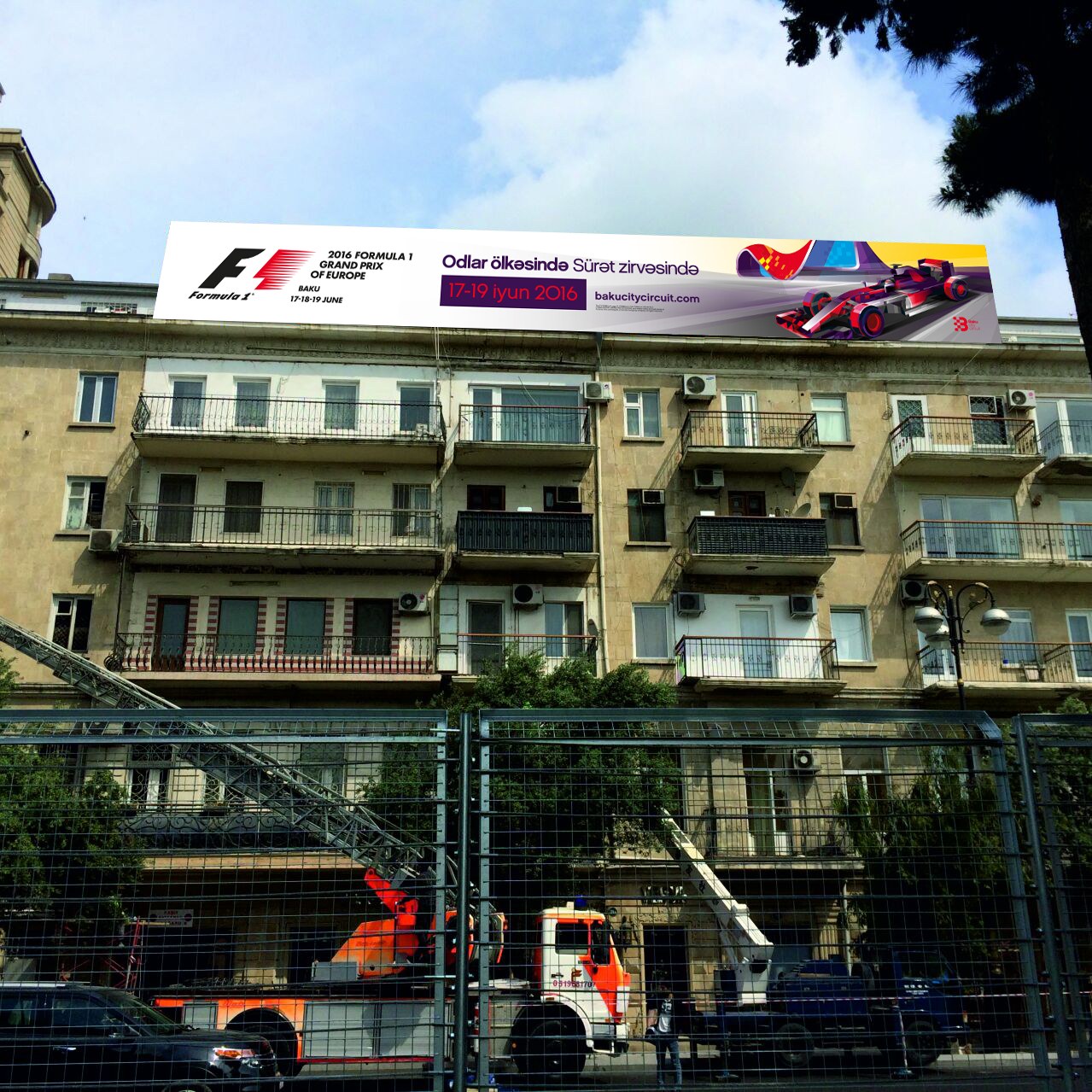
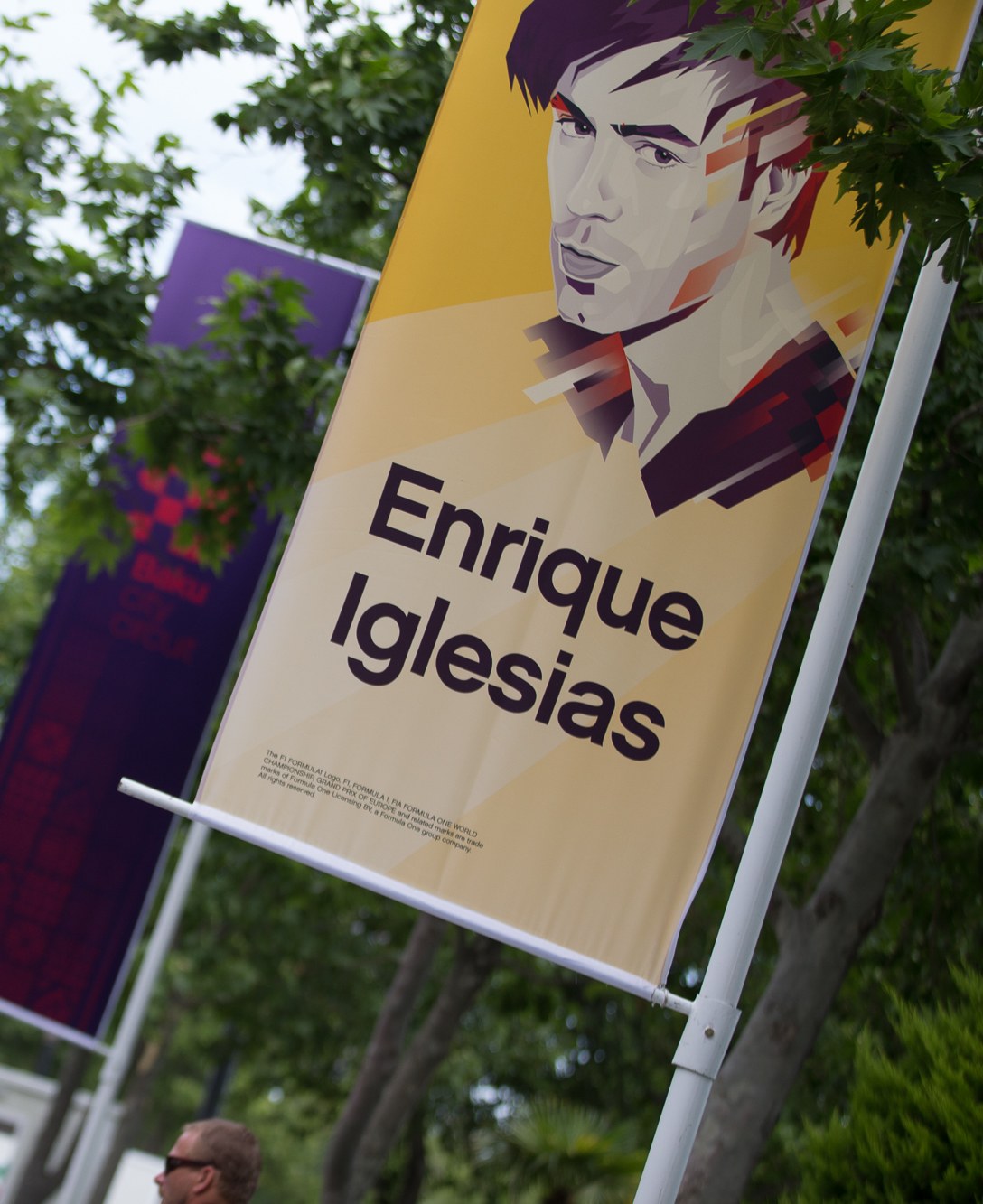
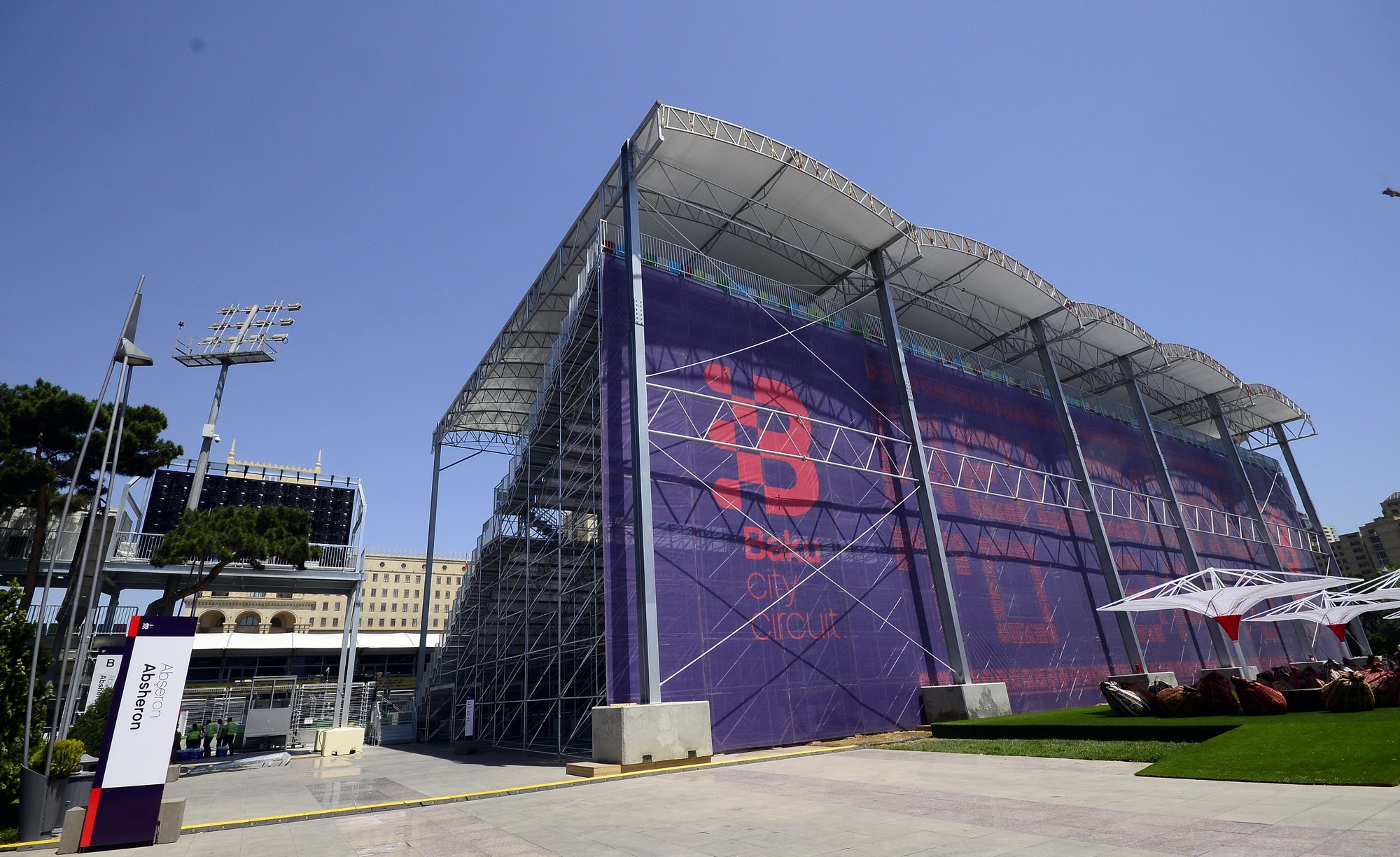
I commissioned and art directed the campaign illustration, which put Baku’s skyline in the colours of the identity. It ran from building wraps to street banners, so the whole city carried the brand.
A sign proves itself in the street
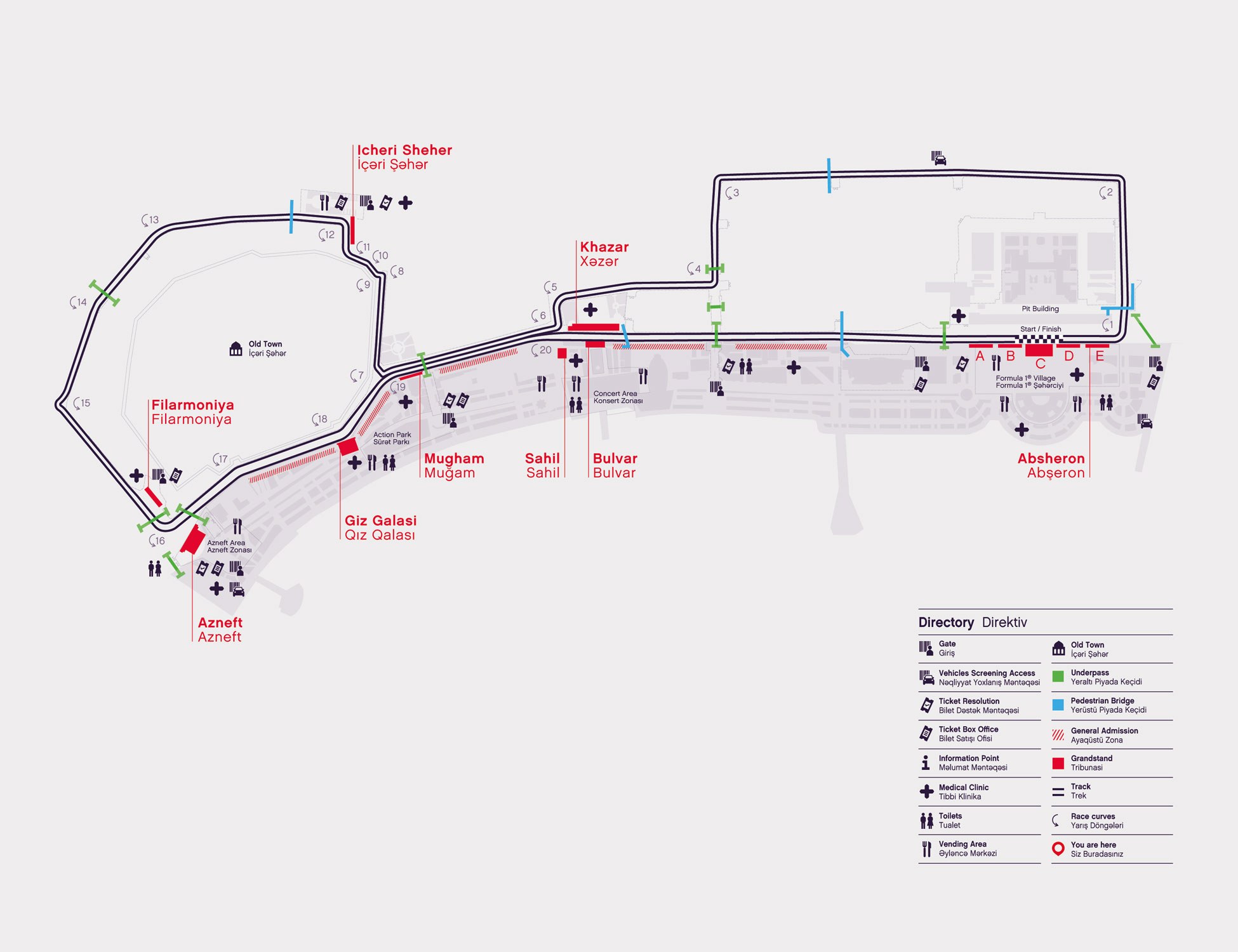
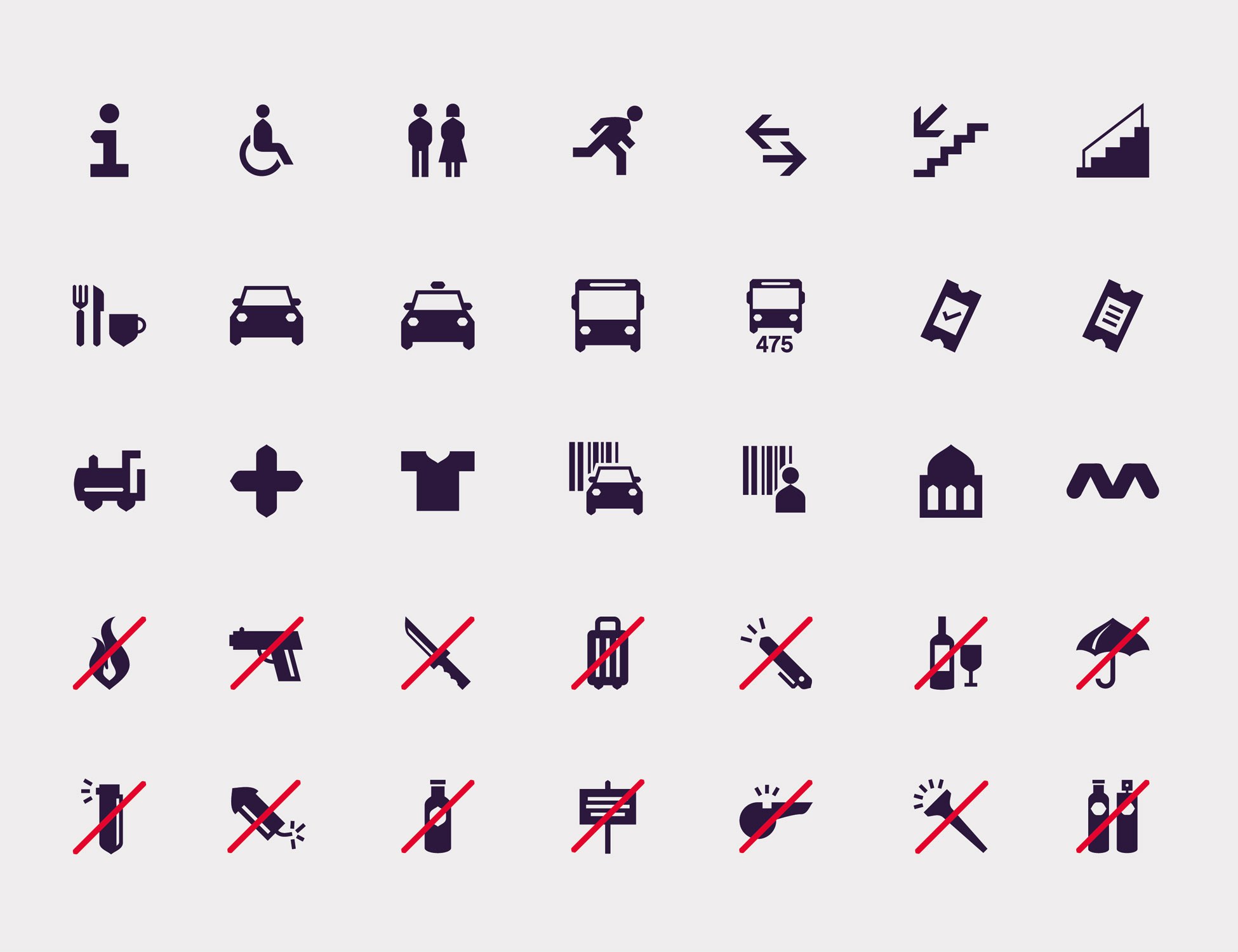
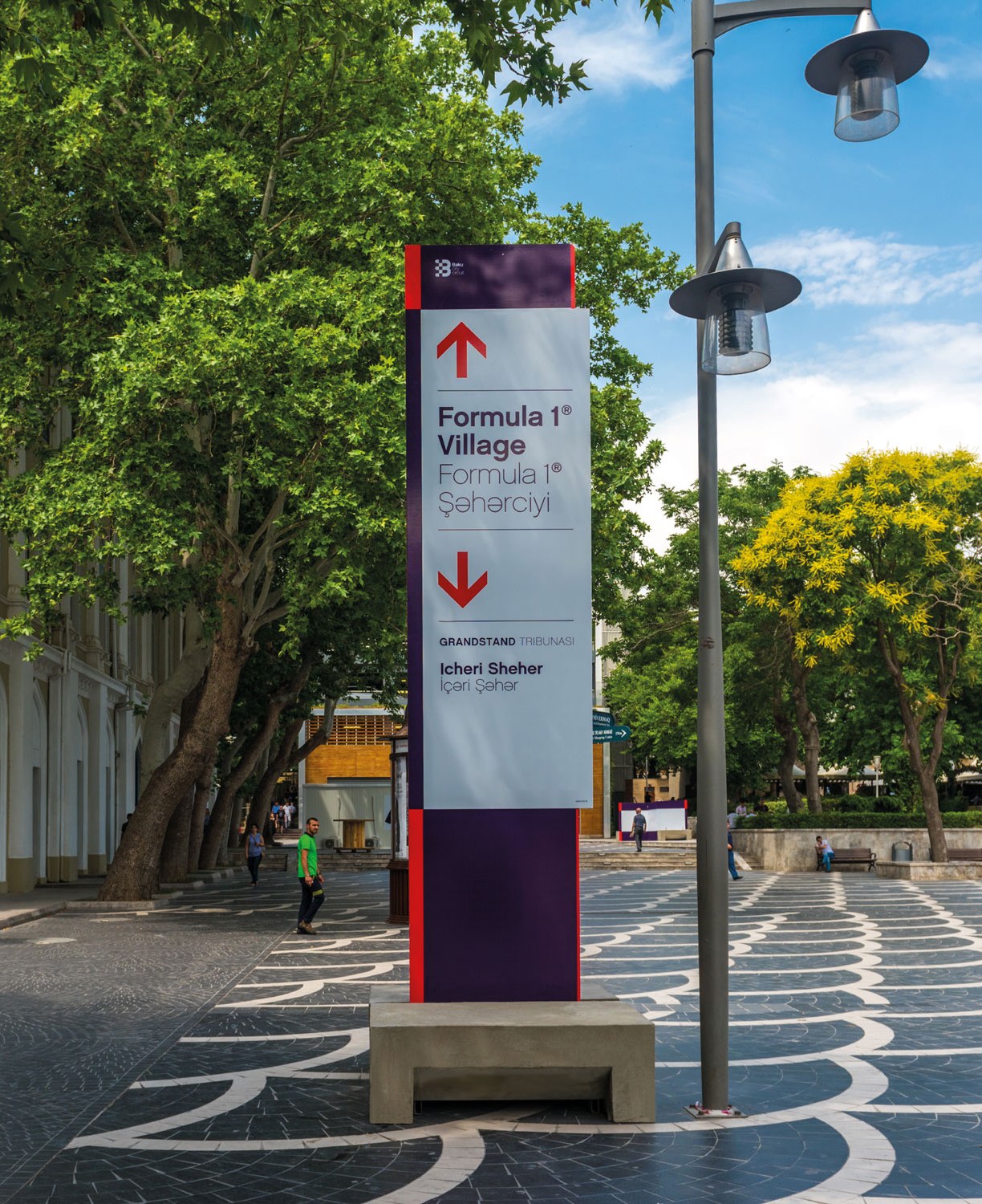
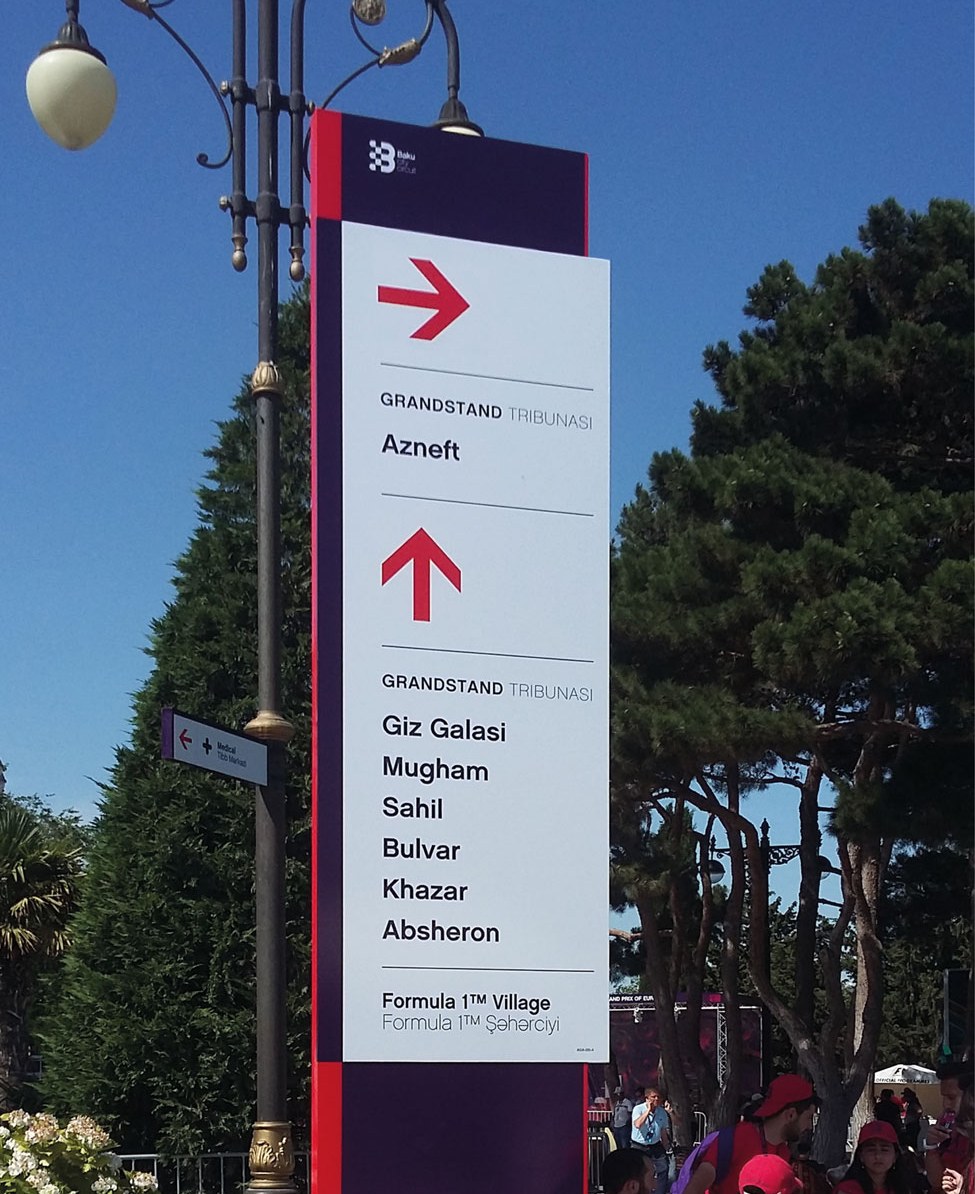
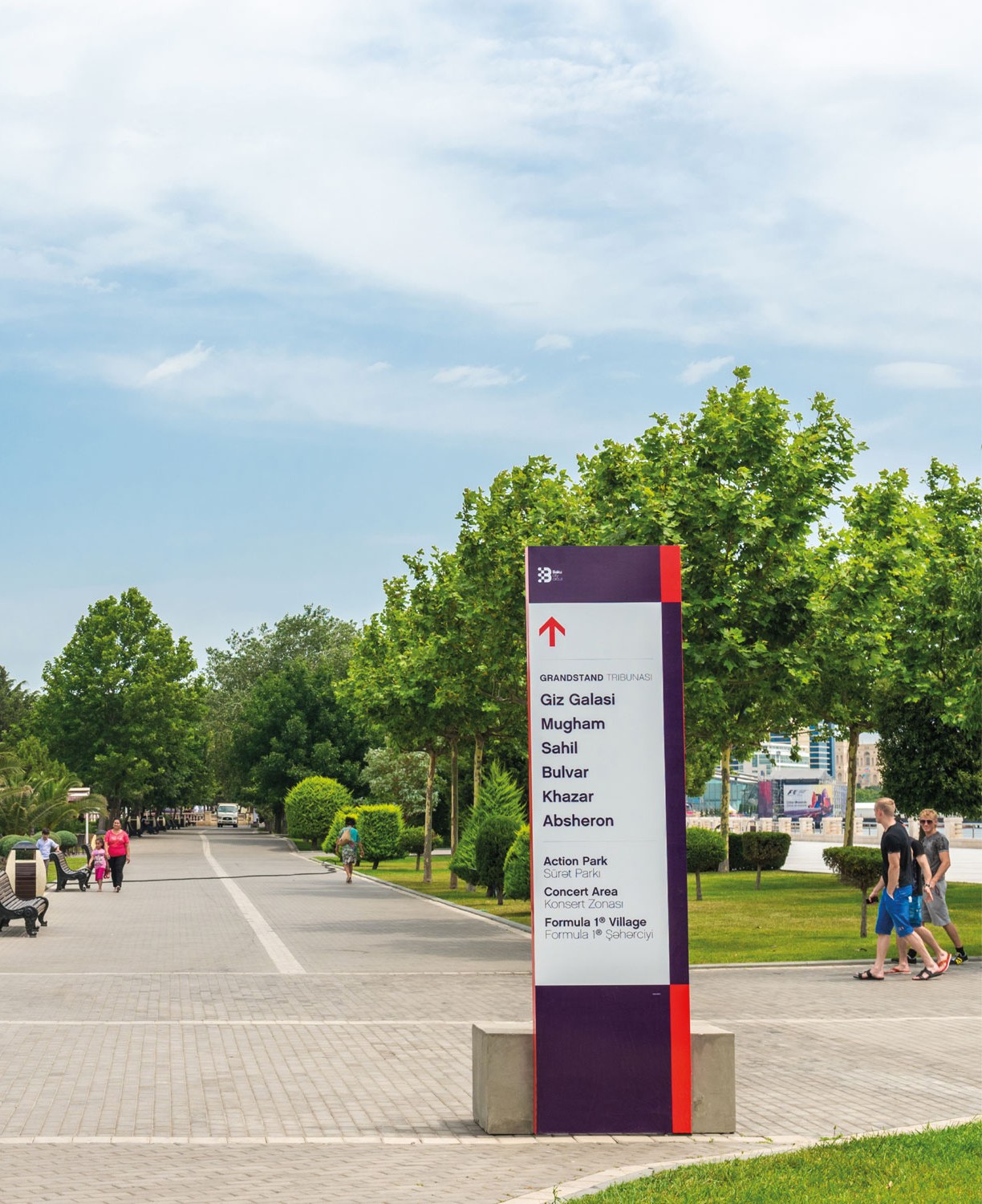
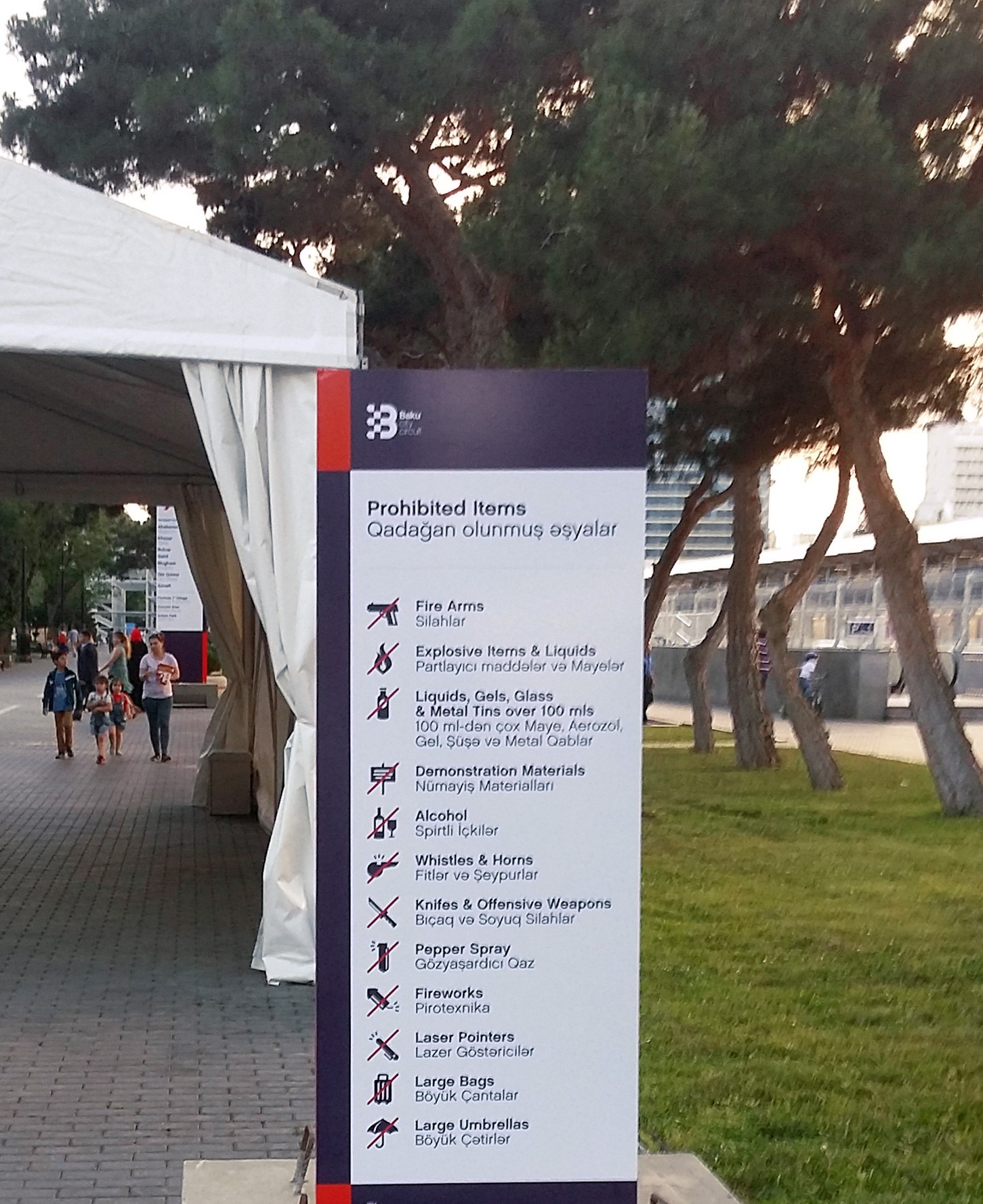
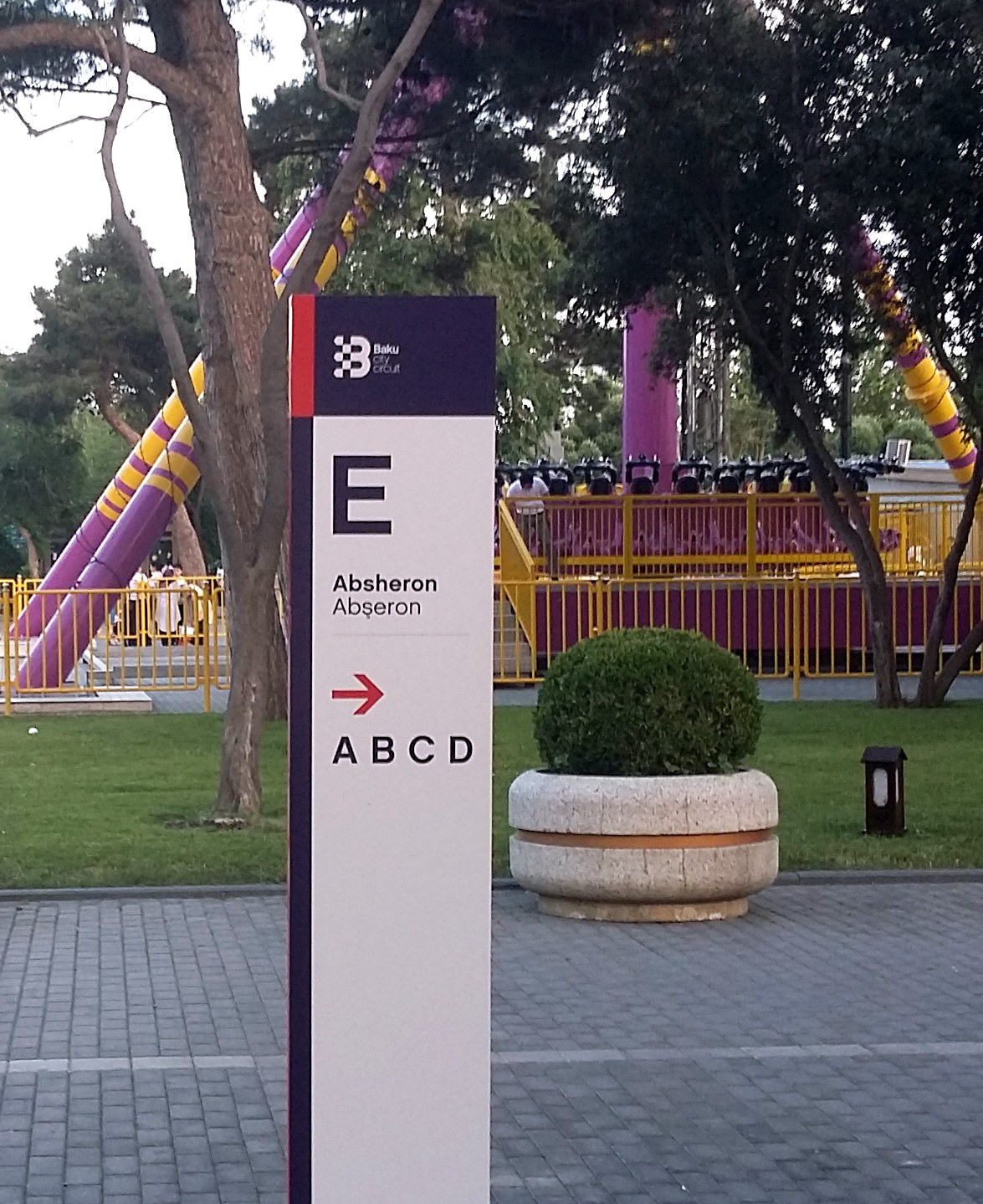
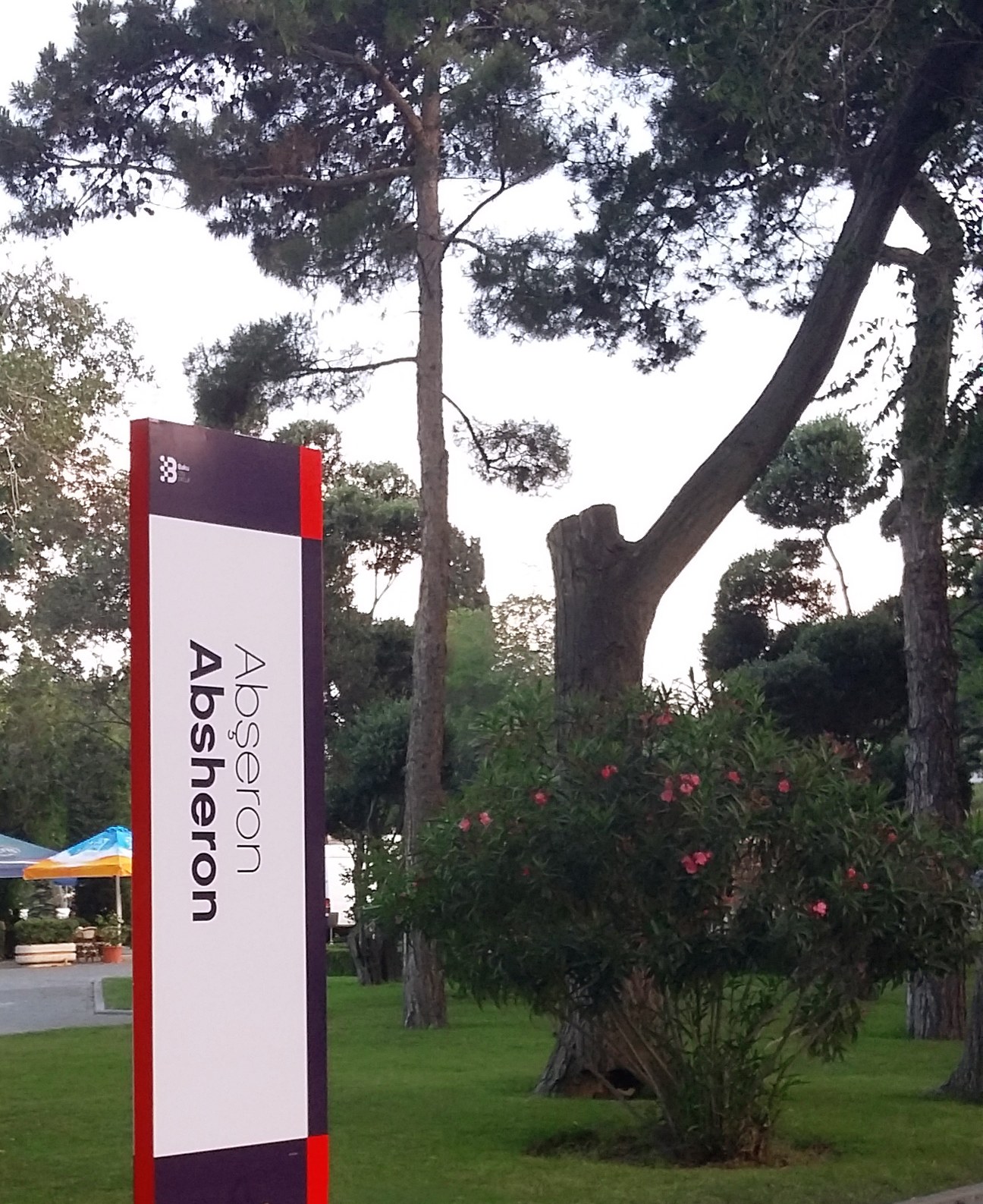
The wayfinding agency carried the identity into every sign format along the full circuit, in English and Azerbaijani. I made sure it spoke the same visual language as the rest of the Baku City Circuit brand and stood out from the city’s own signs, so no one could confuse the two.
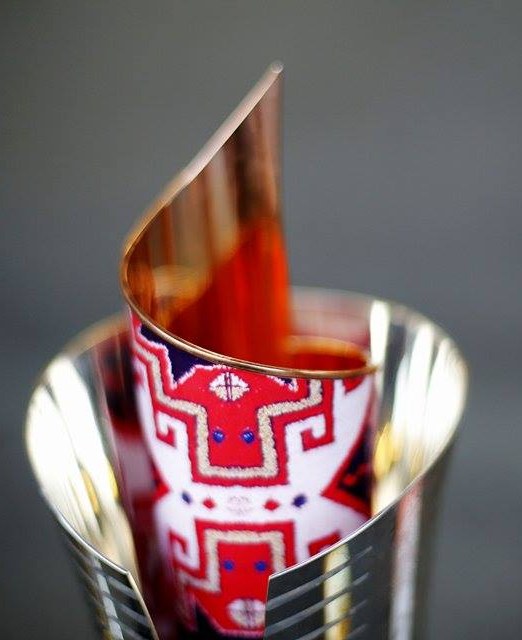
The one I designed myself
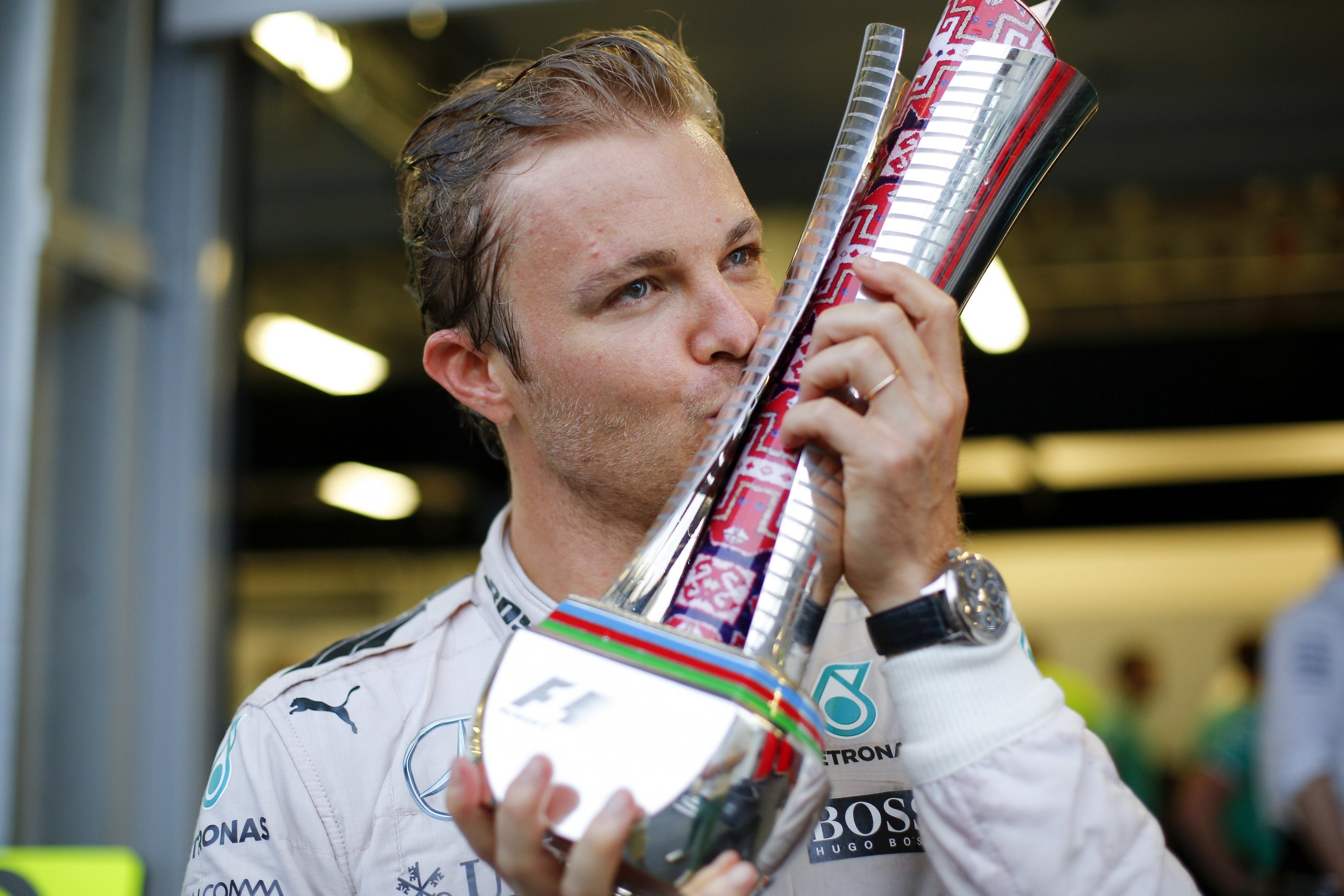
The piece I’m proudest of is the trophy, which I designed myself. It is shaped as an Azerbaijani carpet, so the winner of the first race, Nico Rosberg, took home a piece of the whole country, not only of the city.
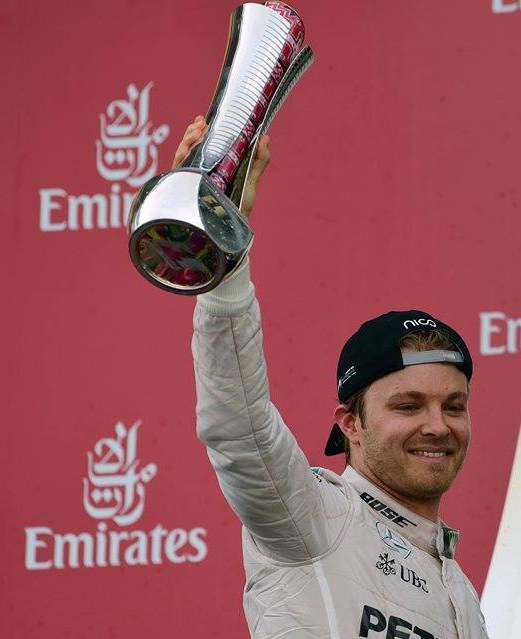
Photos by Paul Ripke, posted by @nicorosberg. The links open the original posts.
On time, and still in use
The 2016 Grand Prix of Europe ran in Baku from 17 to 19 June, nine months after the first brief. I stayed for a year, and Baku City Circuit still runs on the brand strategy and identity I left behind.